Earlier this month, Prof Katherine Wimpenny and I travelled to Indonesia as part of the British Council funded BRIDGE-HE project – Building Disability-Inclusive Research Culture in Indonesian Higher Education (HE). The project aims to understand and strengthen the experiences of disabled students across the student journey, from undergraduate to postgraduate study and into early academic careers. This phase of our fieldwork centred on Universitas Tidar and Universitas Negeri Malang.
Our visit blended research, playful co-design, institutional dialogue, cultural immersion, and long conversations across Java. What emerged was a rich picture of student experiences, collective insights, and possibilities for a more inclusive research culture.
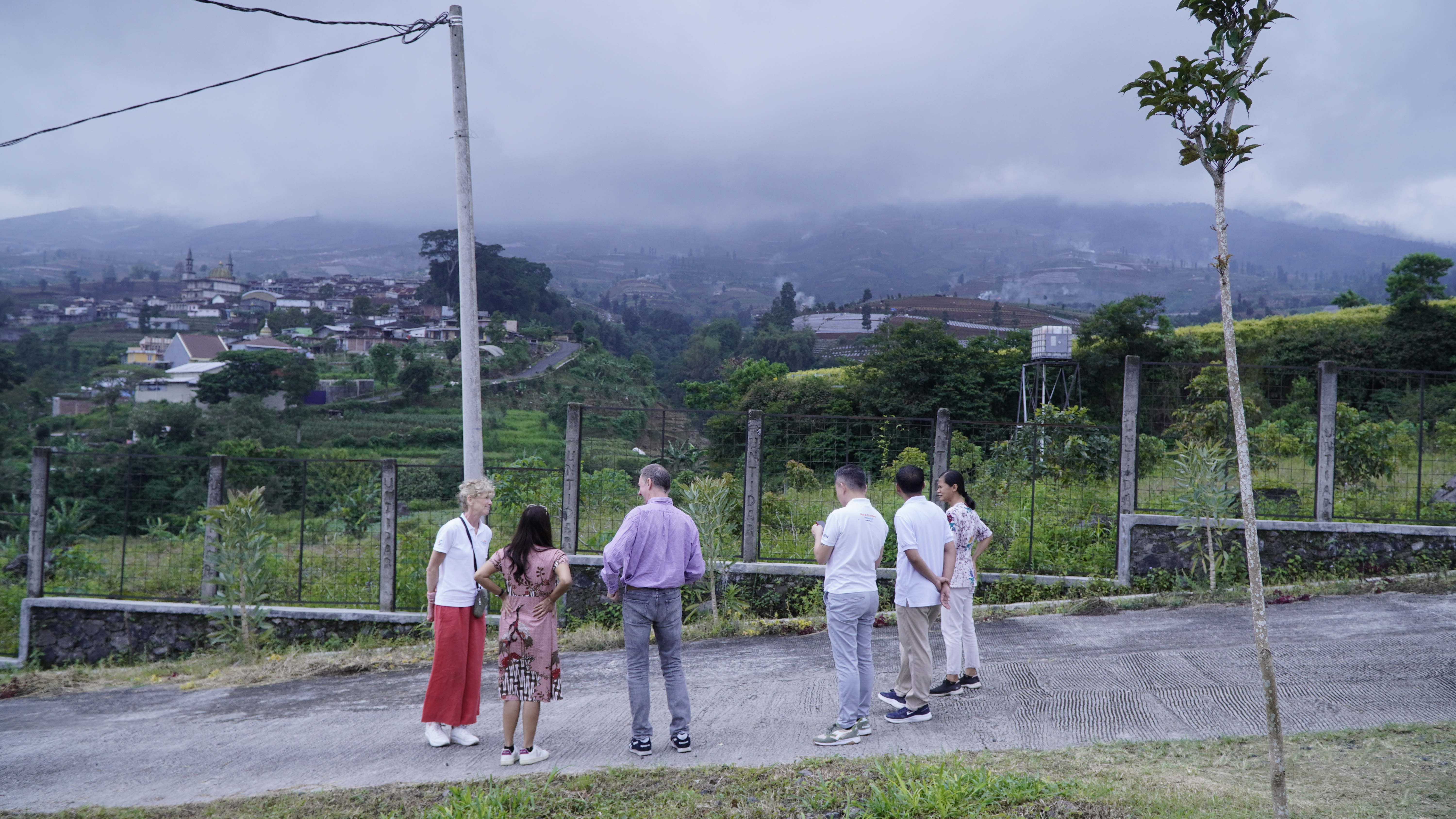
Universitas Tidar: Playful Co-Design at the Foot of the Volcanoes
Our first stop was Universitas Tidar in Magelang, beautifully situated at the foot of volcanic mountains. Here, we facilitated playful participatory workshops with students and staff to explore how learners, especially disabled students, experience their academic journey and how universities might better support inclusion.
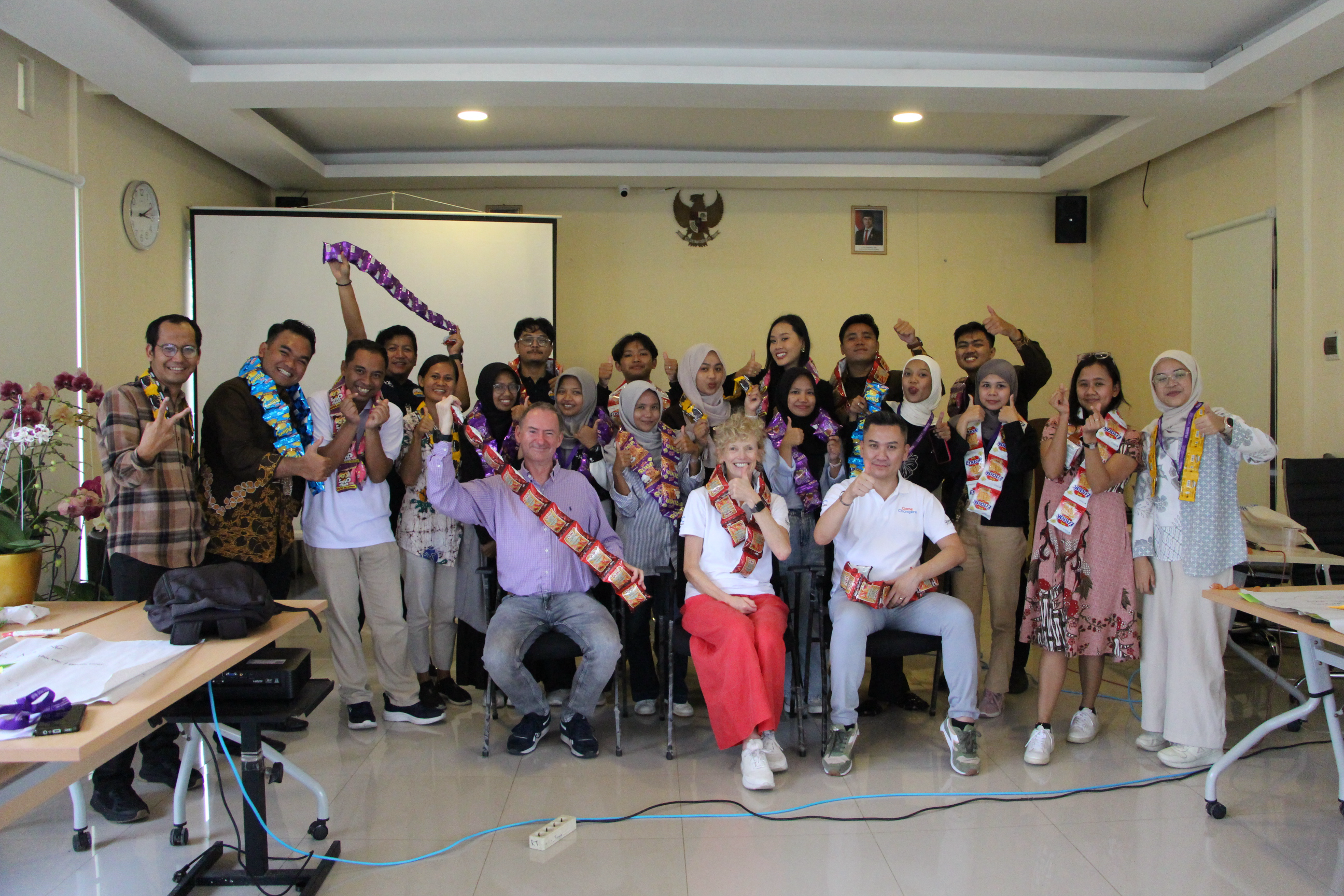
The discussions revealed several key barriers, including:
- Limited access to lecturer-led research opportunities.
- Difficulty securing undergraduate thesis supervisors and accessing journals and research data.
- Mental health pressures, with low awareness of available counselling services.
- Financial barriers and uncertainty around postgraduate scholarships.
- Career ambiguity, particularly regarding pathways into lecturing, research, entrepreneurship, and industry.
- Gaps in support structures and accessible opportunities for disabled students.
Students proposed pragmatic and inspiring ideas, such as more transparent research assistant recruitment, structured research communities, an information hub for scholarships, and peer-support models for thesis writing and wellbeing.
The workshop generated thoughtful dialogue and strong engagement, highlighted in a feature by Universitas Tidar: “Kupas Isu Disabilitas Tersembunyi, UNTIDAR Gelar Workshop Riset Inklusif Bersama Coventry University”
A Pause for Reflection at Borobudur
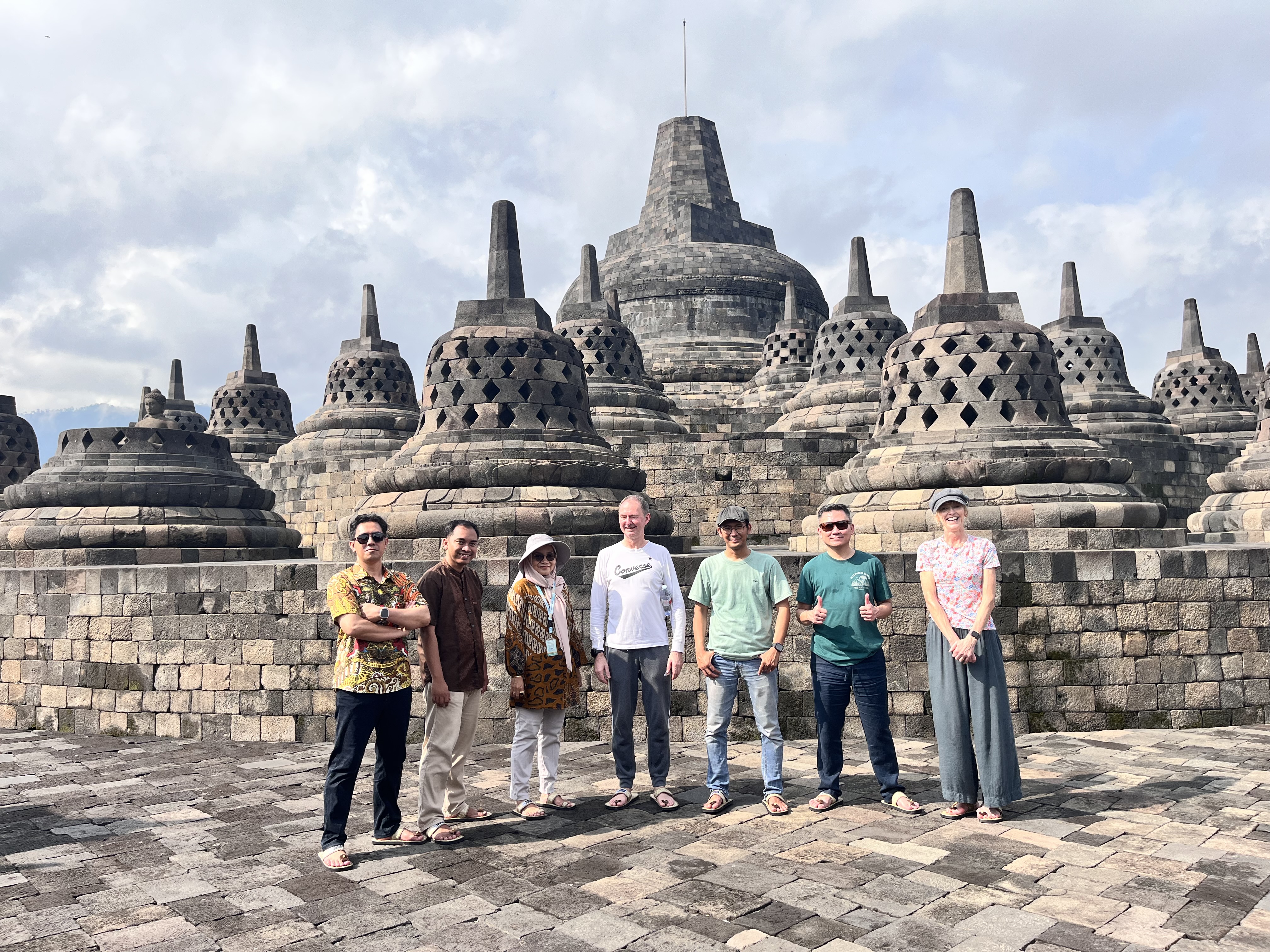
After our workshop and meetings at Tidar, we visited the iconic Borobudur Temple. Walking through its terraces offered a moment of stillness and reflection on culture, history, and the importance of community voices in shaping inclusive futures. This grounding experience came just before we embarked on the next leg of our journey.
Crossing Java by Train
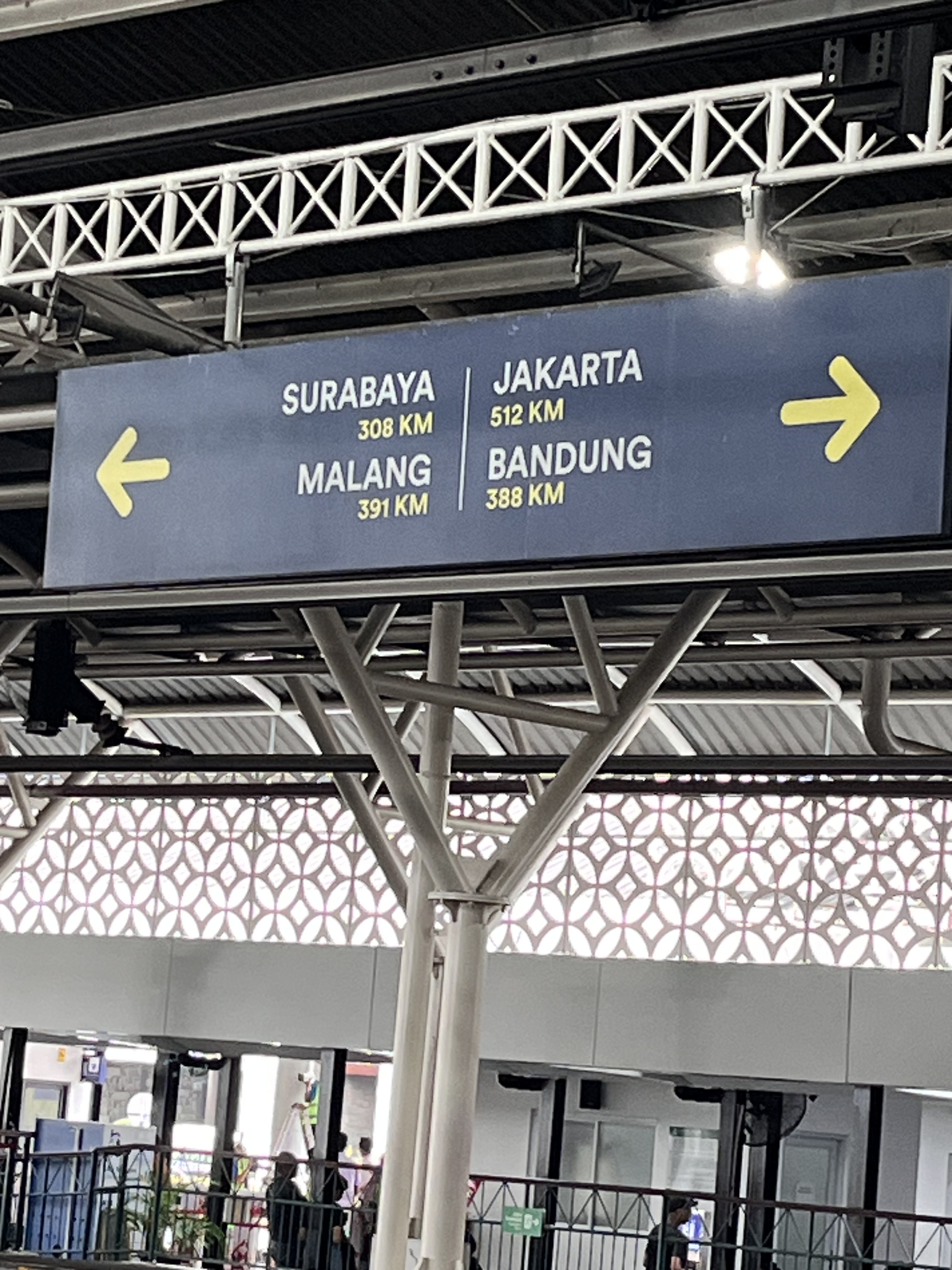
From Yogyakarta, we travelled six hours by train to Malang, passing rice paddies, mountain silhouettes, and small townships. The journey gave us time to reflect on the recurring themes emerging from students’ stories and how participatory, playful methods create safe and expressive spaces for sharing experiences.
Universitas Negeri Malang: Deep Listening and Inclusive Futures
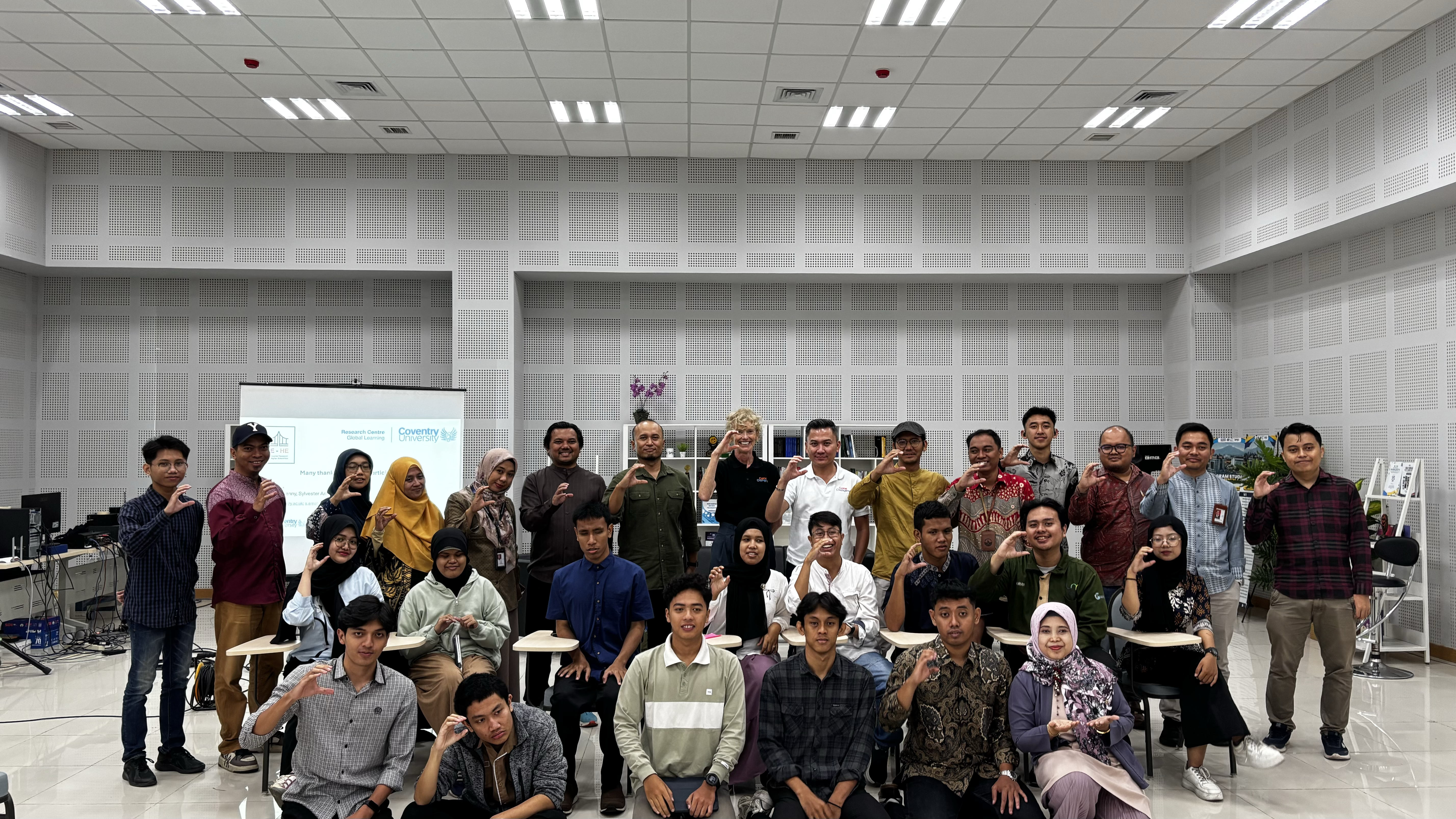
At Universitas Negeri Malang, our workshops took on a distinctly reflective and emotionally resonant tone. Students shared candid insights into the barriers they face within the institution, revealing challenges across structural, pedagogical, social, and psychological dimensions.
Key themes included:
- Inaccessible information about scholarships, support services, and postgraduate opportunities.
- Campus infrastructure barriers, from pavements and pathways to classrooms not designed for accessibility.
- Non-inclusive teaching practices, including inaccessible slides, readings, and LMS formats.
- Lack of disability-awareness training for lecturers, leading to inconsistent accommodations.
- Academic stress, especially relating to undergraduate dissertations and limited supervision support.
- Psychosocial strain, including identity struggles, low confidence, and the absence of safe emotional spaces.
- Bullying and insensitive attitudes, adding to students’ vulnerability.
- No visible disabled academic role models, which influences students’ sense of possibility.
Despite these concerns, students and staff collaboratively proposed constructive solutions, centralised disability profiles, mandatory accessible teaching practices, improved mental health visibility, structured mentoring, disability taskforces, and clearer academic pathways.
The workshops at Malang demonstrated the depth of insight that emerges when institutions genuinely centre student voice.
Next Steps: Moving Toward Co-Designed Solutions
With rich insights gathered from both Universitas Tidar and Universitas Negeri Malang, the next phase of BRIDGE-HE will focus on collectively prioritising the key barriers identified and synthesising the solutions co-created by students and staff.
Together with our partners, we will begin exploring how these priorities can inform the development of:
- More accessible learning, teaching, and research practices.
- Strengthened mental health and wellbeing support structures.
- Clearer pathways into research, scholarships, and postgraduate study.
- Disability-inclusive cultures supported by awareness, training, and collaborative mechanisms.
These directions remain intentionally open as we continue to refine and co-create practical resources, tools, and programmes with Indonesian students and staff. Our next stage will ensure that any actions are grounded in the lived experiences shared so openly with us.
Closing Reflections
Our time in Indonesia highlighted the power of playful, participatory methods to generate honest conversations about inclusion. Across both universities, students expressed a clear desire to be heard, seen, and involved in shaping their institutions. The landscapes of Magelang and Malang – majestic mountains, ancient temples, bustling campuses – mirrored the complexity and potential of their stories.
We return to the UK with gratitude for the hospitality, candour, and collaboration shown by our Indonesian partners. We get to reflect on how our own students at Coventry University are supported in their journey. There is still so much to learn. Together, we look forward to continuing this work and contributing to the development of inclusive, empowering, and sustainable research cultures across Indonesian higher education.

 Sylvester Arnab
1 Comment