I am thrilled to announce that we have been awarded the UK-Indonesia Disability Inclusion Partnerships Grant by the esteemed British Council. This 12-month initiative (to be launched 15th January 2024) is poised to make a significant impact on the landscape of higher education in Indonesia, particularly for disabled students, as we embark on the establishment of the “Indonesia HE Disability Union” (I-HEDU).
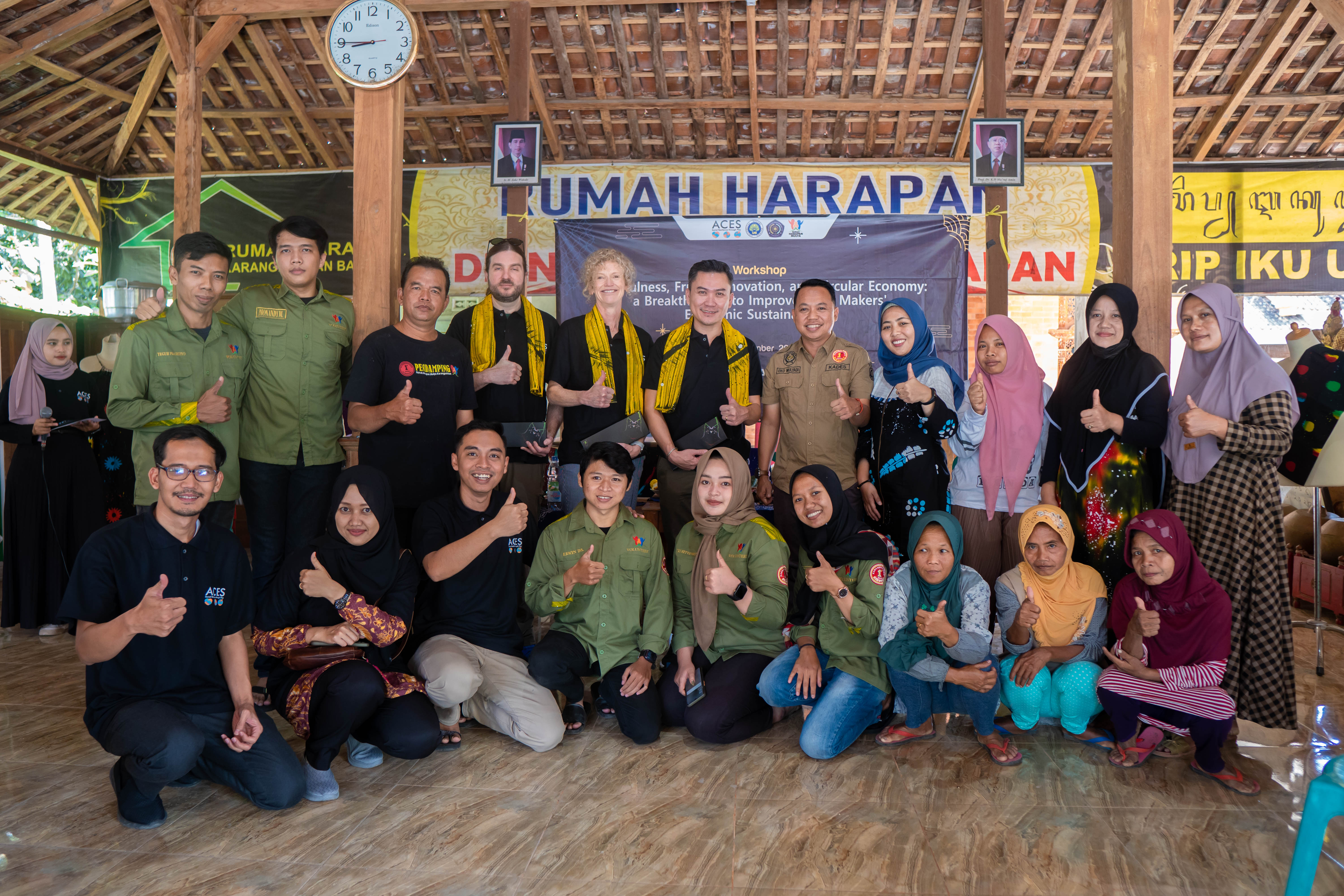
This project builds upon the success of previous collaborations between Coventry University (CU), Universitas Negeri Malang (UM), and Universitas Muhamadiyah Ponorogo (UMPO). Two noteworthy initiatives, the British Council Funded Rumah Harapan Mulya Project and the UKRI-ESRC Funded ACES project, have paved the way for our extended collaboration. These initiatives focused on engaging with disabled and marginalised communities through volunteering programmes and playful participatory approaches.
The primary objective of I-HEDU is to address the diverse needs of disabled students in Indonesian universities by co-creating pathways to higher education and disseminating best practices. Our approach is experiential and participatory, guided by playful principles, fostering meaningful dialogues, co-creation, inclusivity, and lasting impact, engaging with disabled students and staff, their communities, prospective students, university personnel, parents, and NGOs. The project will unfold in three stages: Onboarding, Practice Building, and Consolidation, with specific milestones and a timeline over twelve months. Our ultimate aim is to create a replicable model for disability inclusion in higher education, benefiting not only Indonesia but potentially other ASEAN countries and the UK.
The anticipated outcomes of this project include the establishment of I-HEDU, strategic solutions from participatory activities where grassroots and bottom-up interventions can be facilitated to address challenges and opportunities for improving access to HE, a volunteering programme as pathways to empathic policy development, 2-way mentoring between staff members by disabled students, and the dissemination of best practices through various channels. The benefits extend beyond the immediate impact on disabled students; the project fosters international research collaboration, promotes inclusive higher education practices, introduces innovative pedagogy, and showcases the UK’s commitment to addressing global challenges.
I am excited about the transformative potential of the UK-Indonesia Disability Inclusion Partnerships Grant. Together with Coventry University, Universitas Negeri Malang, Universitas Muhamadiyah Ponorogo, and the University of Surrey, we are committed to breaking barriers and creating a more inclusive and accessible higher education environment for disabled students in Indonesia. Stay tuned for updates on our journey towards establishing the Indonesia HE Disability Union and paving the way for a brighter, more inclusive future.
Looking forward to collaborating with Prof. Katherine Wimpenny, Dr. Muhibuddin Fadhli, Dr. Aldy Purnomo, Dr. Dominic Mahon, and Alex Masters again! The photo features all of us (minus Alex) with the volunteers of Rumah Harapan Mulya.
Shout out to Dr Richard Tomlins who led the British Council Funded Rumah Harapan Mulya Project with Dr. Dominic Mahon, which then overlapped with the ACES playful and frugal interventions in the communities in Indonesia as an impact expansion.

 Sylvester Arnab