As part of the ESRC-Funded RE:PLAY Project, we recently piloted a playful learning approach to project management within an engineering module at Coventry University.
Working collaboratively with RE:PLAY Fellow Neil O’Shea and RE:PLAY Design Fellows Safaa Sindi and Tamar Maclellan, this session explored how hands-on, scenario-driven activities can support students in developing project management thinking in more engaging and applied ways.
The Pilot: Learning Through Play
The session (24th April 2026) brought together a small cohort of 8 students, allowing for an intensive and highly interactive experience.
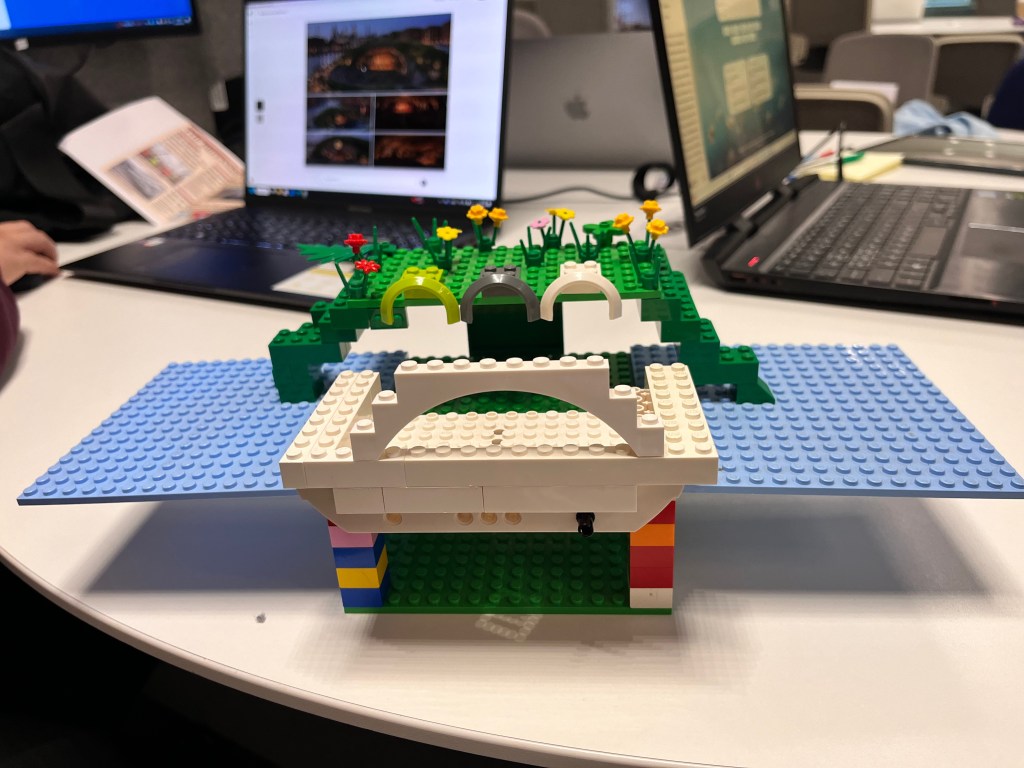
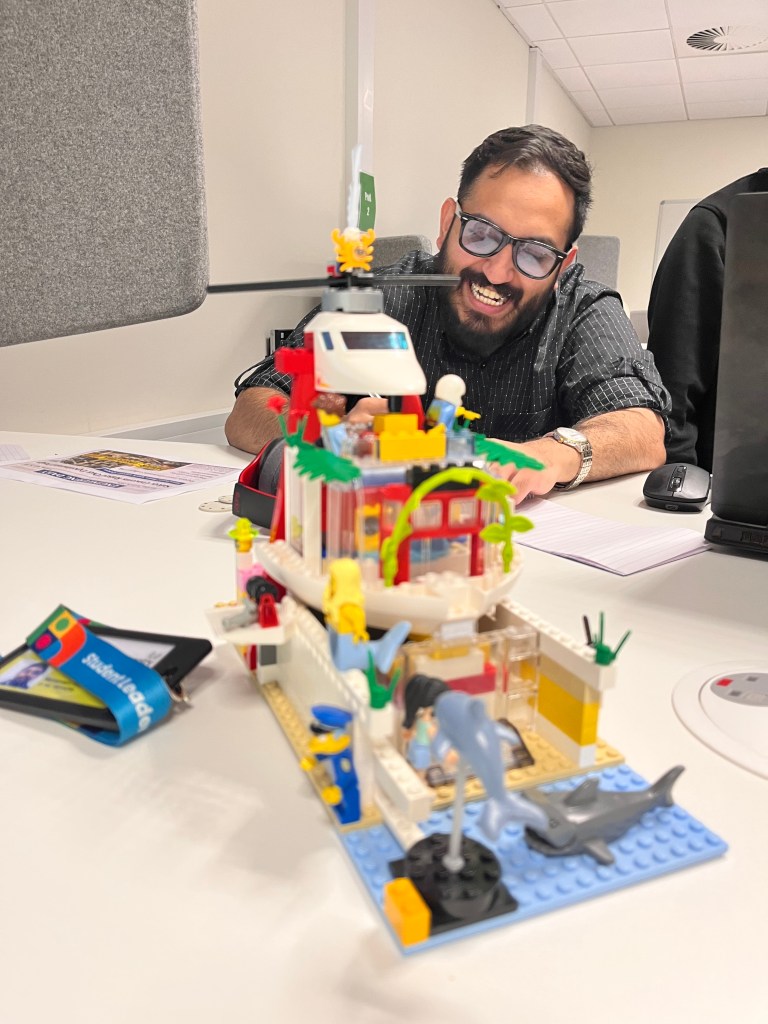
Students worked in teams to design a landmark building intended to “put a city on the map”, using creative sketching, LEGO prototyping, and iterative design. Alongside this, short lecture inputs framed the activity through real-world insights into how large-scale projects succeed or fail.
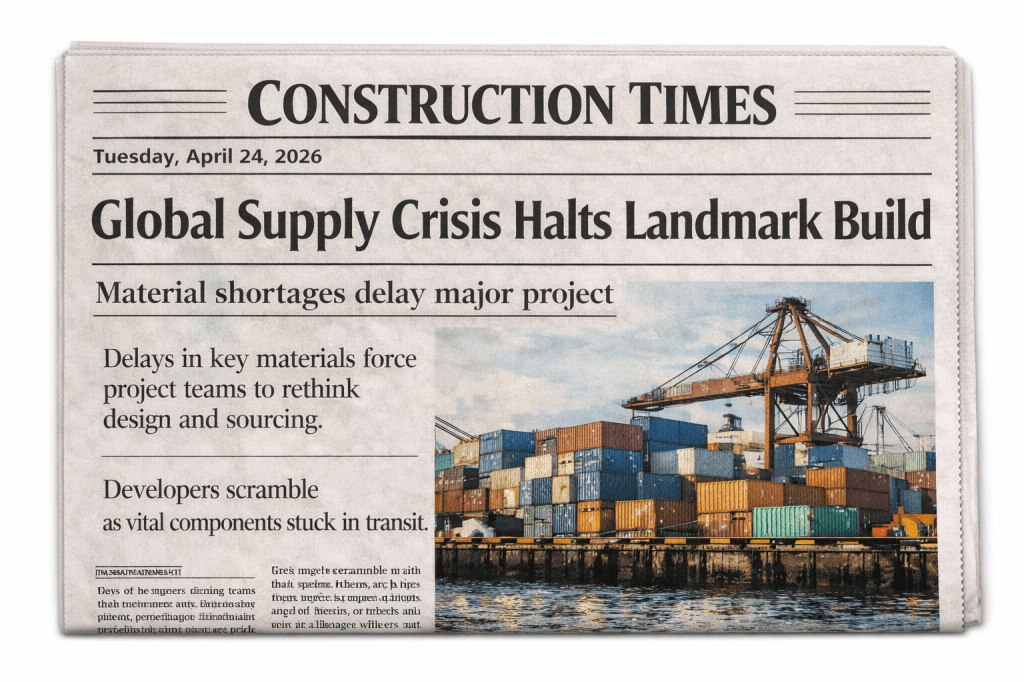
What made the experience distinctive was the introduction of unexpected “scenario triggers”. These included supply chain disruptions, community pressures, and structural challenges, requiring students to continuously adapt their designs and decisions. In doing so, they were not simply learning about project management, but practising it in context.
Co-generated with AI 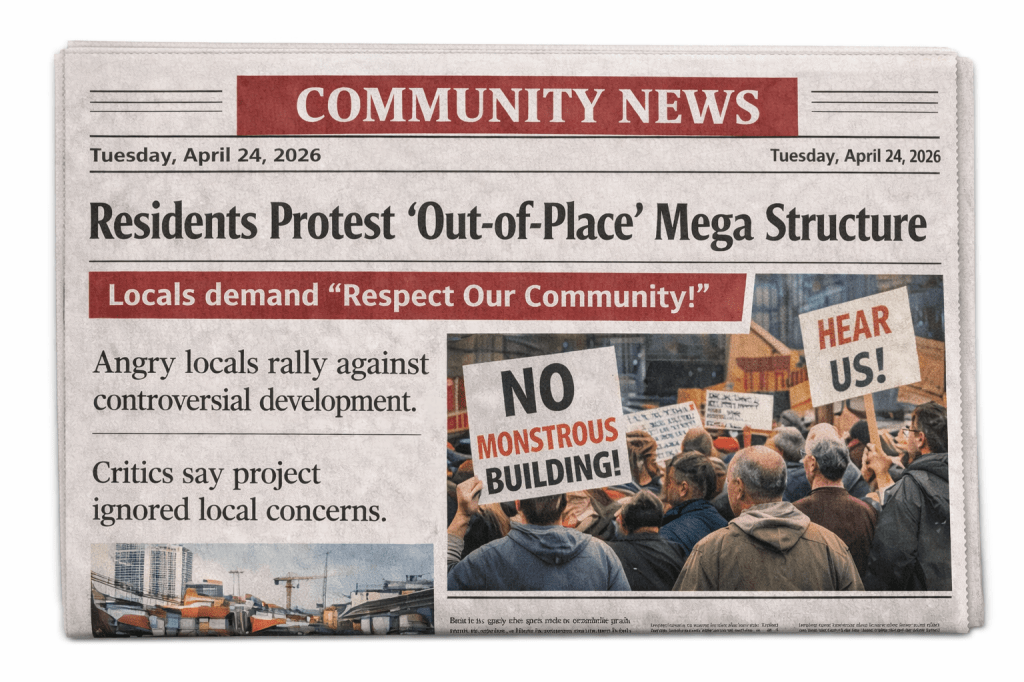


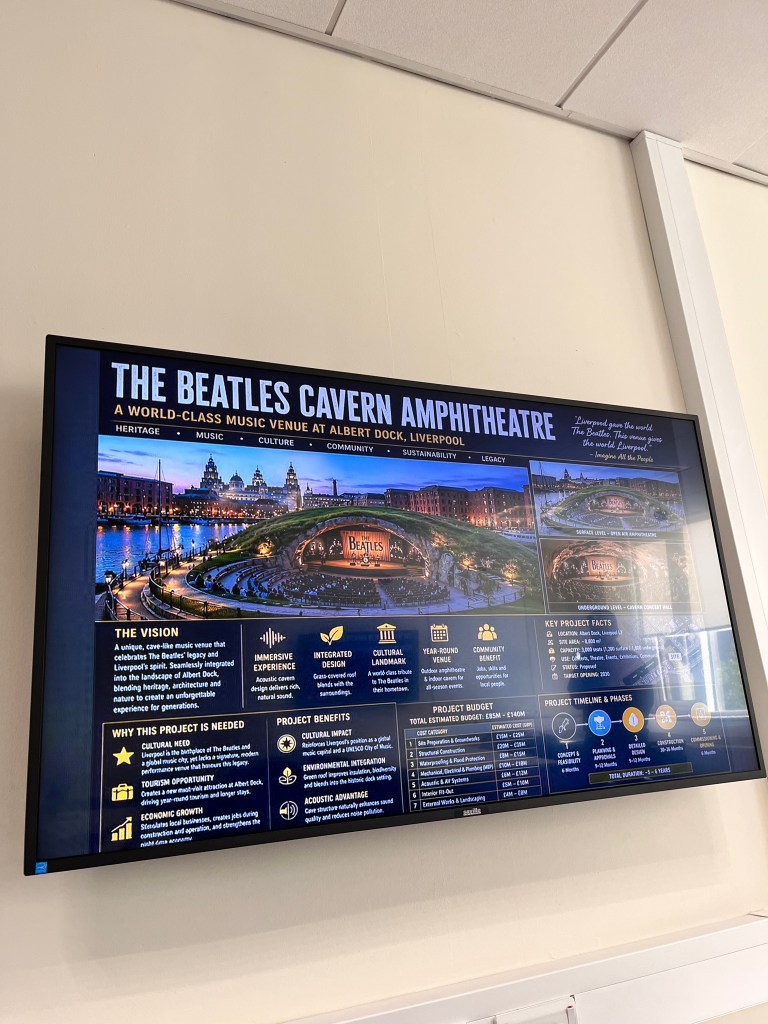
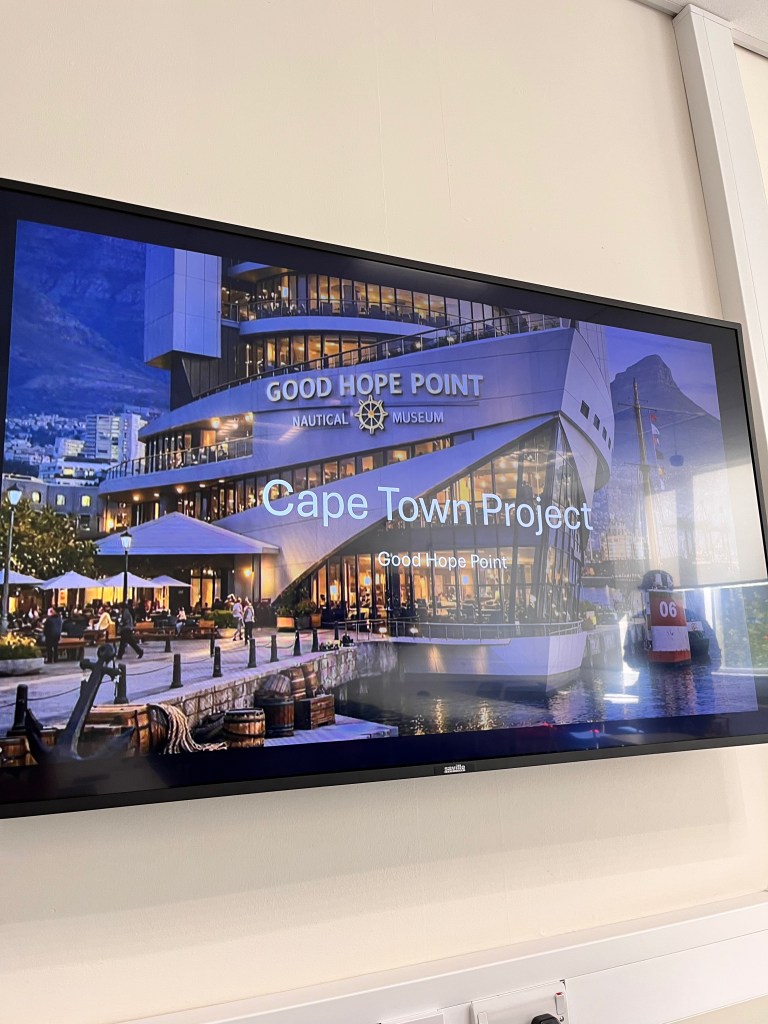
The outputs reflected both creativity and systems thinking. One group designed a sustainable dome-shaped music venue in Liverpool, integrating an open amphitheatre with underground spaces. Another developed a boat-shaped harbour museum in Cape Town, combining tourism, cultural engagement, and flexible use of space. These concepts were then pitched as part of a simulated “boardroom” presentation.
What Did We Learn from the Pilot?
Feedback from participants was analysed using a playful values lens, focusing on dimensions such as autonomy, agency, curiosity, experimentation, social interaction, and purposeful enjoyment.
Overall, responses were strongly positive, with most students selecting Agree or Strongly Agree across the different dimensions. However, beyond this headline result, the findings reveal more nuanced insights into how and why the approach was effective.
Understanding the Playful Values in Practice
Curiosity: Opening Space for Exploration
Students consistently reported that the activity stimulated their curiosity. This is significant because curiosity here was not just about interest, but about exploration under uncertainty.
The open-ended nature of the design challenge, combined with evolving constraints, encouraged students to ask questions, test ideas, and think beyond fixed solutions. This contrasts with more traditional approaches where problems are often predefined and bounded.
Experimentation and Iteration: Learning Through Doing
One of the strongest signals in the feedback relates to experimentation. Students felt able to try different approaches, make adjustments, and refine their ideas.
This reflects a key strength of the activity design. The use of LEGO as a rapid prototyping tool, combined with scenario disruptions, created a safe space for trial-and-error learning. Importantly, “failure” became part of the process rather than something to avoid, aligning closely with real-world project dynamics.
Social Interaction: Collaboration as a Learning Mechanism
The activity also scored highly on collaboration. Students highlighted the value of working in teams, sharing perspectives, and negotiating decisions.
In practice, the project roles and group structure encouraged students to experience project management as a distributed and relational process, rather than an individual task. This mirrors professional environments where coordination, communication, and compromise are essential.
Purposeful Fun: Engagement with Meaning
Enjoyment was not simply about having fun. Students described the experience as engaging because it was meaningful.
The combination of creative building, real-world scenarios, and presentation created a sense of purposeful engagement, where enjoyment and learning were intertwined. This is particularly important in technical subjects, where engagement can sometimes be difficult to sustain through traditional delivery methods.
Autonomy and Agency: Ownership of the Process
Students generally felt that they had freedom to shape their approach (autonomy) and that their contributions influenced outcomes (agency).
This sense of ownership is critical. Rather than following a prescribed set of steps, students were required to make decisions, justify them, and respond to consequences. In doing so, they experienced project management as an active, decision-driven process.
A Critical Reflection: Not One-Size-Fits-All
While the majority of responses were positive, one participant consistently reported a negative experience across all dimensions.
This is an important finding. It suggests that:
- Playful and open-ended approaches may not immediately align with all learners’ expectations
- Some students may require clearer structure, guidance, or framing to feel comfortable
This reinforces the need for balanced design, where playful approaches are supported by scaffolding that helps all students engage meaningfully.
What Students Said They Learned
Students’ open responses provide further insight into the impact of the activity. Their reflections focused on:
- Adapting to challenges and uncertainty
- Understanding how teams function in practice
- Applying project management concepts rather than just learning them
For example, students highlighted learning:
- how to respond when “issues occur during a project”
- how “different minds work together”
- how processes such as planning and coordination unfold in real time
These responses suggest that the activity supported a shift from conceptual understanding to applied, situated knowledge.
What Could Be Improved
Students also identified areas for refinement:
- A need for more time to develop ideas
- Requests for clearer guidance or structure at certain stages
- Suggestions to further support team engagement
These are valuable insights that will inform the next iteration of the workshop.
Looking Ahead
This pilot serves as an important step towards a larger-scale implementation on 10 June 2026, which will:
- Extend the approach to a broader cohort
- Refine facilitation and scaffolding
- Generate richer data to inform evaluation
Ultimately, the findings will contribute to the redesign of the engineering project management module, embedding playful, experiential approaches more systematically.
Final Reflection
This pilot reinforces a simple but powerful idea: Playful learning is not about making learning easier. It is about making complexity experienceable.
In the context of project management, where uncertainty, collaboration, and adaptation are central, this may offer a particularly valuable way forward.
A big thank you to all the students who volunteered for this activity. Very much appreciated!


1 Comment